Winter Risk Management: Why Vacant Property Inspections Matter
How to Protect Empty Buildings from Cold Weather Damage and Water Leaks
Winter brings unique challenges for vacant properties. With freezing temperatures, shorter daylight hours and unpredictable storms, unoccupied buildings are at greater risk of structural damage, water issues and costly repairs if left unchecked.
Seasonal Threats Every Property Manager Should Know
Frozen Pipes and Water Damage
When temperatures fall below freezing, water inside plumbing can expand and burst pipes - leading to flooding, structural damage and mould. This is one of the most common and expensive problems landlords face during cold months, particularly in unheated or vacant buildings. Keeping systems monitored and inspected helps catch early signs of trouble before they escalate.
Storm, Wind and Weather Exposure
Vacant roofs, gutters and external fixtures will show stress under winter storms. Debris buildup can clog drainage, causing water ingress and damp issues that go unnoticed without regular checks.
Security Vulnerabilities
Shorter days and prolonged vacancy can increase the risk of unauthorised entry, vandalism or theft. Inspections help maintain visibility, deter opportunistic behaviour, and demonstrate due diligence for insurance purposes.
The Role of Regular Inspections
Professional winter checks are essential because many issues develop slowly and silently - especially in unoccupied buildings. Seasonal inspections allow you to:
- Identify early signs of frozen or leaking pipes
- Ensure heating systems are operating or properly shut down
- Spot roof, gutter and exterior damage before it worsens
- Confirm security systems are functioning as designed
- Document property condition for insurance compliance
Vacant properties left unchecked for long periods are far more likely to suffer avoidable damage, which can turn weeks of vacancy into expensive remediation projects.
Smart Protection with Ajax LeaksProtect and WaterStop
A modern alarm system isn’t just about intrusion alerts - integrating water protection devices can transform your winter risk strategy.
Ajax LeaksProtect - real‑time water detection
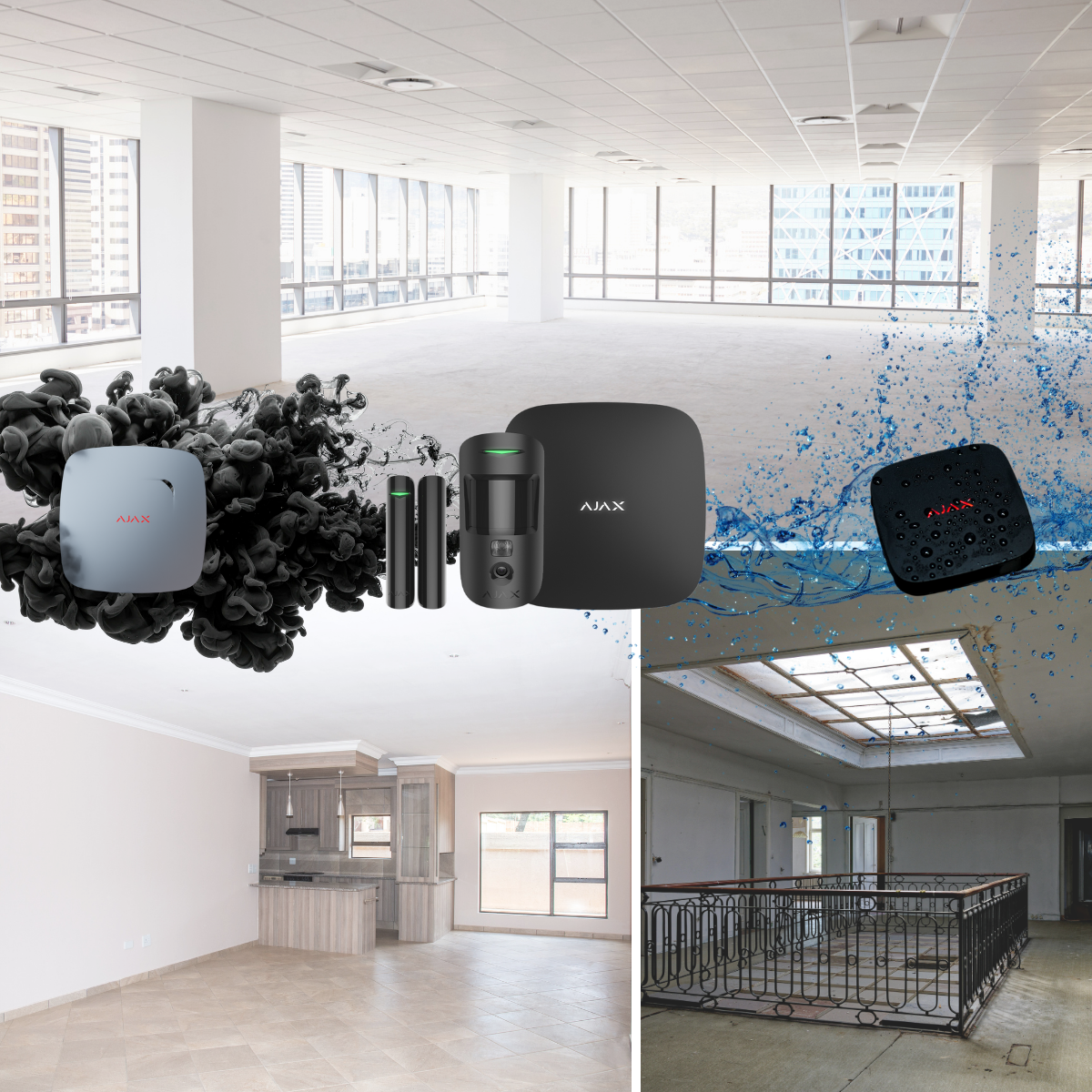
LeaksProtect is a wireless flood detector that senses the first signs of water leakage, raising an instant alert through the Ajax hub to your phone or monitoring station. The detector uses four‑sided contacts to spot even minimal water presence and notify you immediately when moisture is detected.
Ajax WaterStop - automatic leak response
Paired with LeaksProtect, the WaterStop smart shut‑off valve can automatically stop the water supply when a leak is detected. This minimises damage by cutting off flow within seconds of an alarm - protecting floors, walls and expensive fixtures. You can also control and monitor WaterStop remotely through the Ajax app.
Together, these devices provide a pro‑active layer of protection that goes beyond traditional security: detecting leaks early, automating water shut‑off, and reducing the risk of catastrophic burst pipe damage while a property is unattended.
Combine Technology with On‑Ground Inspections
Smart leak and water shut‑off devices are powerful tools - but they’re most effective when paired with regular physical inspections. A trained professional can spot subtle signs of potential failure, such as pipe insulation issues, heater faults, blocked drains, or external damage, before they cause major problems.
In Summary
Winter vacant property inspections are critical - not optional - for effective risk management. Cold weather amplifies existing vulnerabilities and creates new ones, especially in empty buildings. By combining:
✔ Regular professional site inspections, completed by a fully trained and vetted member of the TrustOn Security team.
✔ Smart water leak detection (Ajax LeaksProtect)
✔ Automatic shut‑off technology (Ajax WaterStop)
you protect your asset, reduce potential repair costs, and maintain compliance with insurance and safety requirements.